Copy Email
© 2026 Mark Vedberg


Creating music is more difficult for children to access than many other creative practices. This project explores what gets in the way, how those barriers can be overcome, and how more children can be given a real way into music-making. The outcome is Opus Studio, a collaborative physical-digital system designed to support that path from first exploration to further, more independent creation.
Context
Bachelor thesis at Umeå Institute of Design
Collaborator
Rumtiden Idea Lab
Timeline
10 weeks in 2025
People
Just me
Recognitions
Keywords
Experience Design, Learning Through Play, UI/UX, Low-Tech, Open-Source, Sustainability
Creating music is its own practice
Creating music is connected to many other musical practices, such as playing an instrument, learning theory, improvising and performing, but it is still a distinct activity with its own kind of experience. That experience is not always easy to access on its own. A child might enjoy inventing music without being especially interested in instrumental performance or theory, but there are few simple ways to find that out.


Understanding childrens barriers to music-making
The research set out to understand what children actually experience when they first encounter music creation, and where those experiences begin to break down. It involved repeated, in-depth interviews with five children, using conversation, drawing and mapping exercises to understand their relationships to music, creativity, making, friends and themselves. Three adults were also interviewed retrospectively to trace how early experiences shaped their relationship to music over time, alongside ongoing input from a researcher focused on music-making tools in Swedish schools. The result was a much fuller picture of the emotional, cognitive and social barriers surrounding music creation.


Children

Adults

Researcher*
*Dr. Jonas Nilsson, researcher at Umeå University, specializing in digital tools for music creation and education in Swedish schools.
How What do I make?
Going into the project, the obvious challenge seemed technical: how can children make music without knowing theory, playing an instrument or using complex software? That still mattered, but the research kept coming back to a different problem. Even with accessible tools, it can be difficult to know what to actually make. A blank page can feel intimidating, especially when the music children know is highly polished and professional. Without inspiration, direction or a clear context for making decisions, it becomes difficult to create with intention.
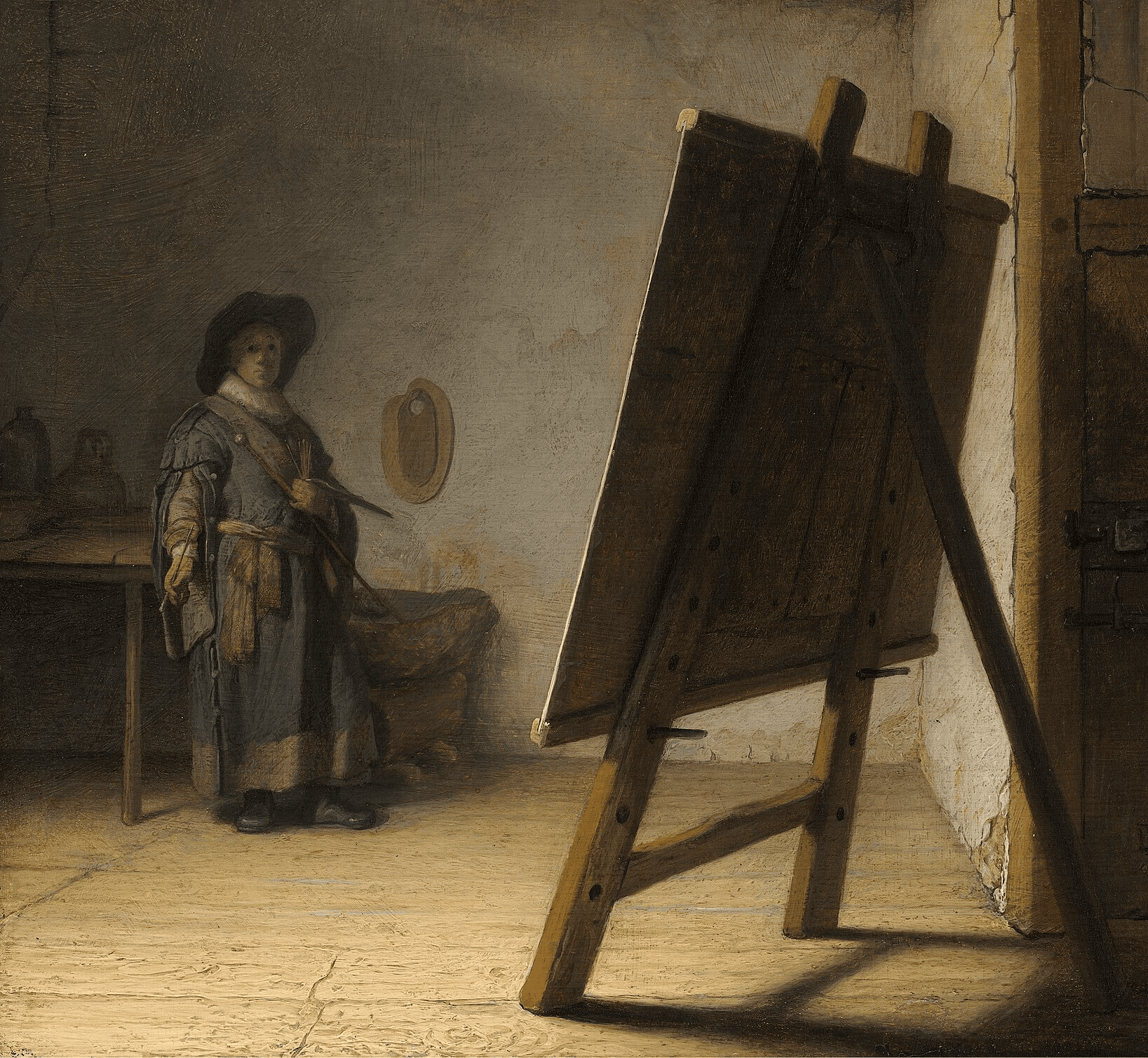
The Artist in His Studio by Rembrandt (c. 1628)


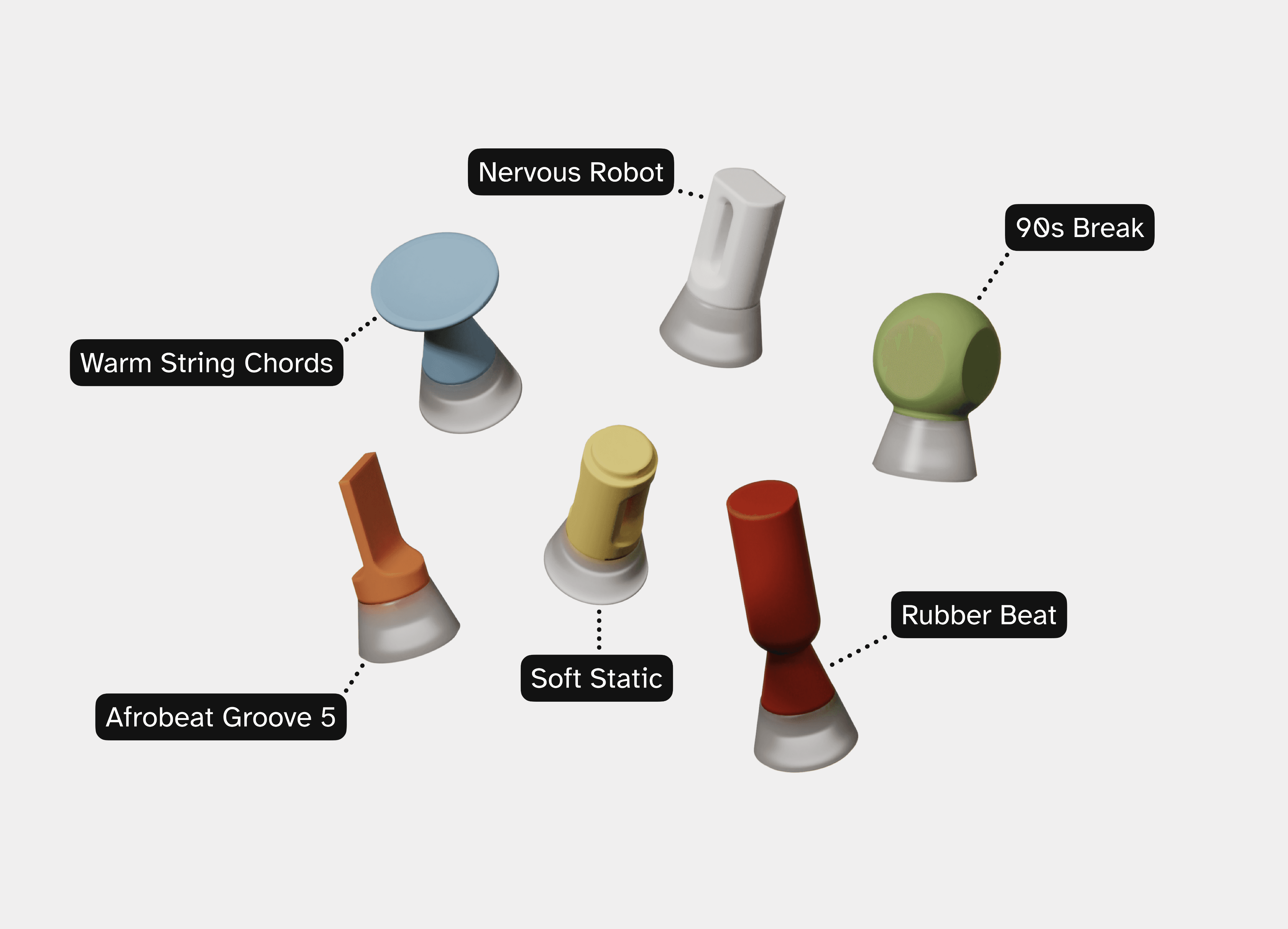

Simple tools can become dead ends
The goal is to make music creation more accessible, not to create another isolated way of making music. Many beginner tools are easy to enter, but quickly become limiting: they offer little room to grow in complexity, connect poorly to other ways of making music, and often automate so much that users feel less ownership over what they make. Creating together also becomes harder when people are working at very different levels.
Musicians Returning in the Early Morning through Snowed Landscape by Jozef Teodor Mousson


Sustainable and accessable from the start
A physical product intended for children and schools has to be responsible beyond the experience of using it. Sustainability means taking responsibility for the material and technological footprint of something that could be produced at scale. Accessibility also means more than making music easy to approach: the system itself has to be realistically available, affordable and usable in the environments it is designed for. These concerns shaped Opus from the beginning, leading to a low-tech, open and adaptable approach.

Gathering Flowers, Shinnecock, Long Island (1897) by William Merritt Chase
Working with sustainability and accessibility as core tenets became one of the most interesting parts of this project, both in what I learned and in the outcome. Thinking about repurposed hardware, open growth and long-term ownership expanded my view of what sustainable and accessible design means, and I saw how those constraints can lead to a better user experience, not just a more responsible one.